
Drugs, Brains, and Behavior: The Science of Addiction
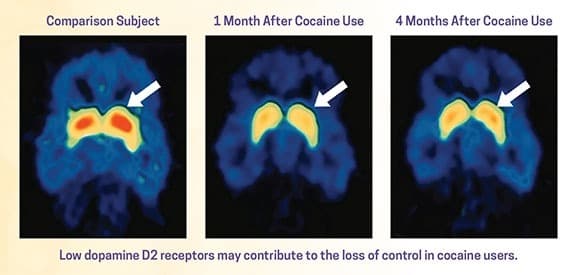
Addiction is a complex but treatable disease that affects brain function and behavior. Drugs of abuse alter the brain's structure and function, resulting in changes that persist long after drug use has ceased. This may explain why drug abusers are at risk for relapse even after long periods of abstinence.
How Drugs Affect the Brain
Most drugs of abuse directly or indirectly target the brain's reward system by flooding the circuit with dopamine. Dopamine is a neurotransmitter present in regions of the brain that regulate movement, emotion, cognition, motivation, and feelings of pleasure.
The overstimulation of this system, which rewards our natural behaviors, produces the euphoric effects sought by people who misuse drugs and teaches them to repeat the behavior.
The Brain's Response to Repeated Drug Use
When drugs are taken repeatedly over time, the brain adjusts to the excess dopamine by making less of it and/or reducing the ability of cells in the reward circuit to respond to it. This reduces the high that the person feels compared to the high they felt when first taking the drug — an effect known as tolerance.
They might take more of the drug to try and achieve the same high. These brain adaptations often lead to the person becoming less and less able to derive pleasure from other things they once enjoyed, like food, social activities, or sex.
Long-term Effects
Long-term drug use causes changes in other brain chemical systems and circuits as well, affecting functions that include:
- Learning and judgment
- Decision-making
- Stress management
- Memory
- Behavioral regulation
Despite being aware of these harmful outcomes, many people who use drugs continue to take them, which is the nature of addiction.
Treatment and Recovery
The good news is that addiction is treatable. Research shows that combining addiction treatment medicines with behavioral therapy ensures the best chance of success for most patients. Treatment approaches tailored to each patient's drug use patterns and any co-occurring medical, mental, and social problems can lead to continued recovery.